
The Philippine electric two-wheeler market is on track to nearly triple by 2034, according to a fresh projection from research firm IMARC Group.
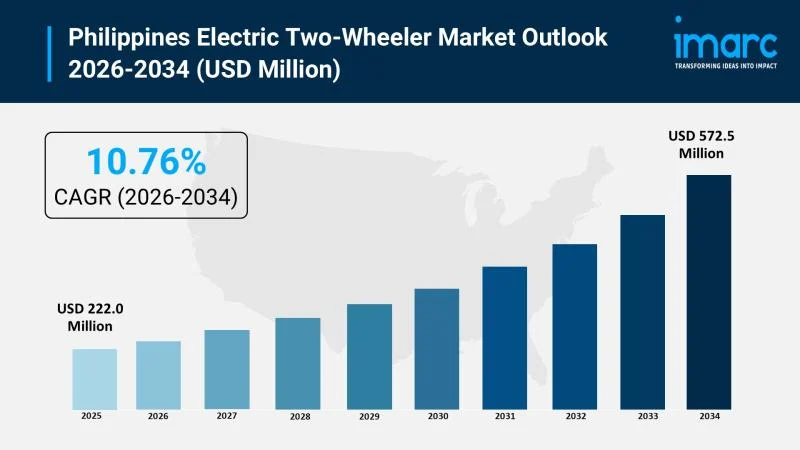
The segment, which covers e-scooters, mopeds, and full-size electric motorcycles, was valued at USD 222 million in 2025. IMARC expects it to reach USD 572.5 million by 2034, a compound annual growth rate of 10.76% across the forecast window. The numbers look bullish, but the base is still tiny. Total motorcycle sales hit roughly 2.37 million units in 2025, and EVs still account for less than one percent of two-wheeler sales. Plenty of runway.
A few things explain the optimism. Fuel prices keep climbing, and electric two-wheelers cost a small fraction to run per kilometer. The EVIDA law (Republic Act No. 11697) gives buyers excise tax exemptions, lower import duties on batteries and chargers, and exemption from Metro Manila number coding. Delivery riders covering long daily routes are the most obvious switchers.
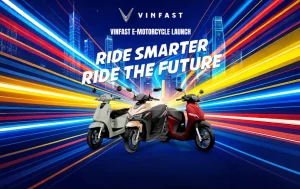
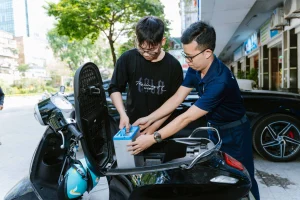
The brand side is heating up too. VinFast formalized partnerships with 14 Philippine distributors in April and plans to launch the Evo, Feliz II, and Viper e-scooters this June. The Vietnamese brand also wants to roll out roughly 30,000 battery-swapping stations nationwide, which would dwarf the country’s current 912 EV charging stations. For context, the Department of Energy is only targeting 7,300 public stations by 2028.
Honda is not sitting this one out. The Japanese brand previewed the WN7 at this year’s Makina Moto Expo, its biggest electric motorcycle so far. It pushes 67.5hp and 100Nm of torque, with 144km of claimed range and a 30-minute fast charge from 20 to 80 percent. It is heading to the local market this June, joining the smaller EM1 e: scooter.
There are still real hurdles. Most apartment dwellers can’t conveniently charge at home, e-bikes were banned from EDSA and C5 earlier this year, and many Filipino riders still default to the familiar Honda Click or Yamaha Mio. The government has also floated a PHP 60-billion Electric Vehicle Incentive Strategy (EVIS) to attract local EV manufacturing, though the bulk of that program is shaped for four-wheel EV makers, with Mitsubishi Motors so far being the first confirmed participant.
By the numbers (per IMARC’s report and cross-referenced public data):
USD 222.0 million market size in 2025
USD 572.5 million projected by 2034
10.76% CAGR over 2026 to 2034
30,000 VinFast battery-swap stations targeted
912 public EV charging stations as of early 2025
7,300 DOE charging station target by 2028
2.37 million total motorcycle sales in 2025
Under 1% EV share of total two-wheeler segment
PHP 60 billion proposed EVIS fiscal incentive package
The trajectory looks clear on paper, but adoption still comes down to whether riders trust the charging network outside Metro Manila and whether monthly battery subscriptions actually beat a tank of gas.
So how about you, would you switch to an electric scooter or motorcycle this year if VinFast’s battery-swap network goes live as promised?
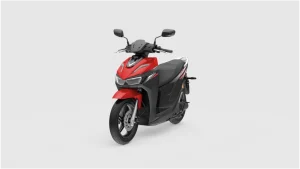
Which one catches your eye, the sporty Honda WN7, the budget-friendly VinFast Evo, or one of the new Chinese e-scooters flooding the market?

0 Comments
Leave a Reply