
VinFast’s upcoming e-scooters felt easy to ride and easy to understand during a test session at the company’s Hai Phong facility in Vietnam.
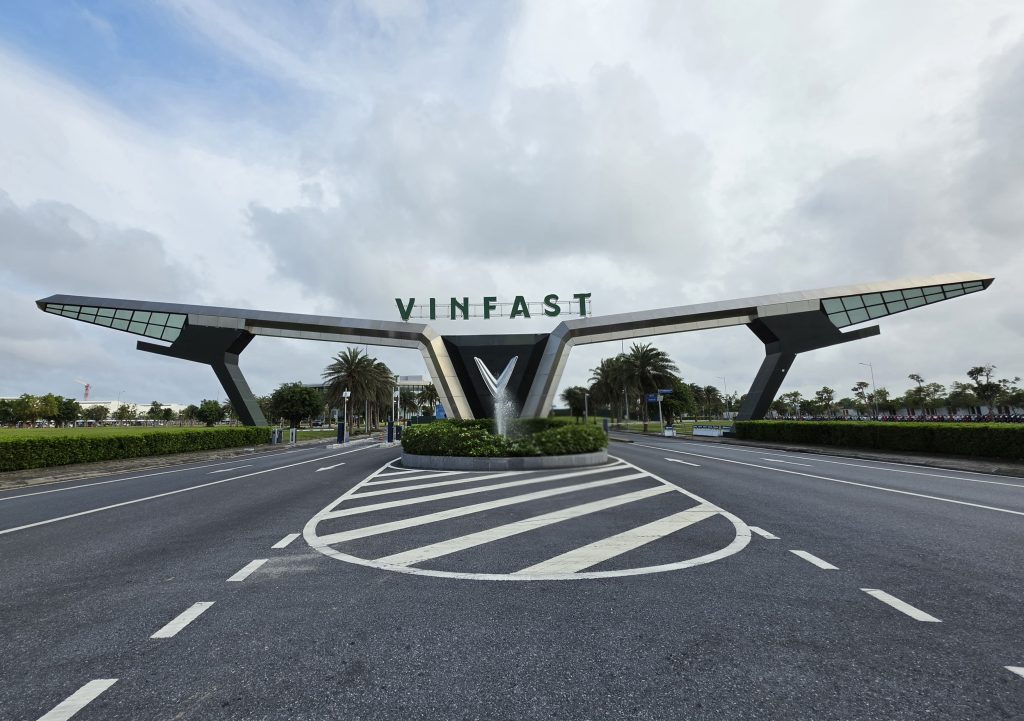
The Philippine motorcycle market remains strong, with students, office workers, delivery riders, and families relying on scooters every day. At the same time, fuel prices, traffic, and maintenance costs are making more people look at alternatives, including electric scooters.
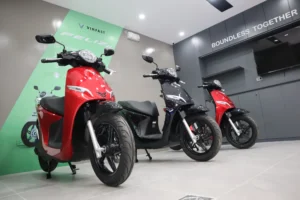
VinFast, which many Filipinos now know through its electric cars, wants to enter that space with three e-scooters: the Evo, Feliz II, and Viper. After spending time with all three in Vietnam, the early takeaway is simple: they ride like regular scooters, just without fuel and engine noise.
To be clear, the units tested in Vietnam were not yet final Philippine-spec models. VinFast says local specs and configurations may still change before the expected launch around July.
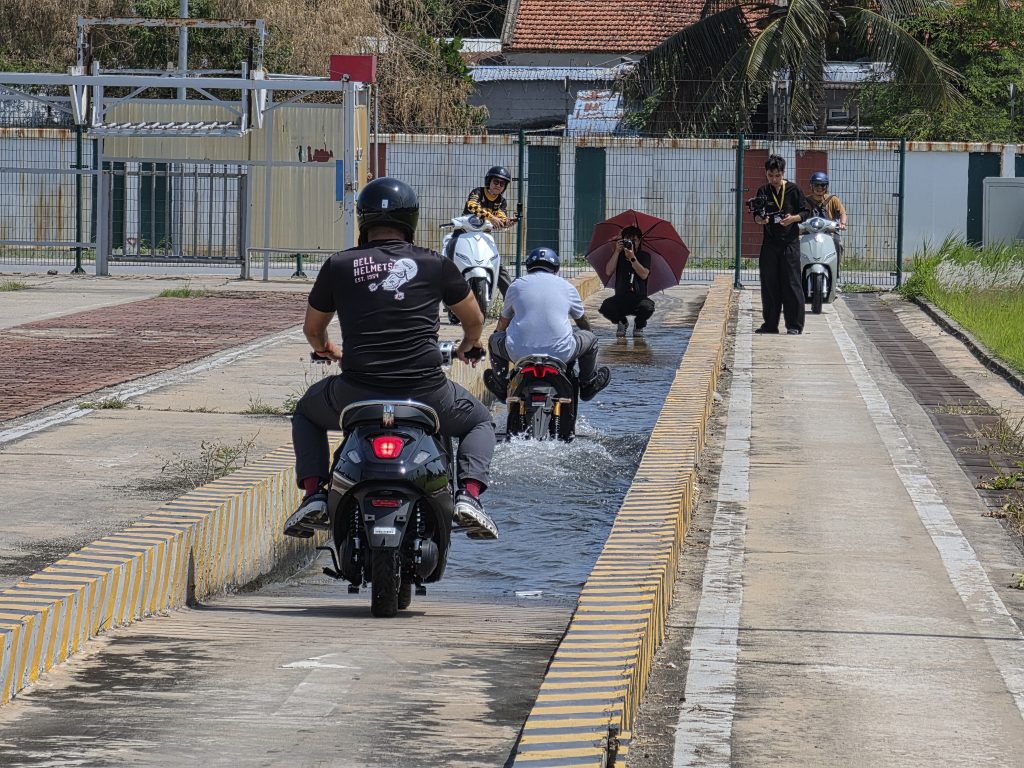
The test route covered basic real-world riding conditions such as acceleration runs, rough surfaces, incline tests, curves, and a short water-wading section. Some riders were trying electric scooters for the first time, but most adjusted quickly because the controls were familiar. There is no clutch or shifting involved. You twist the throttle and go, just like on a regular automatic scooter.
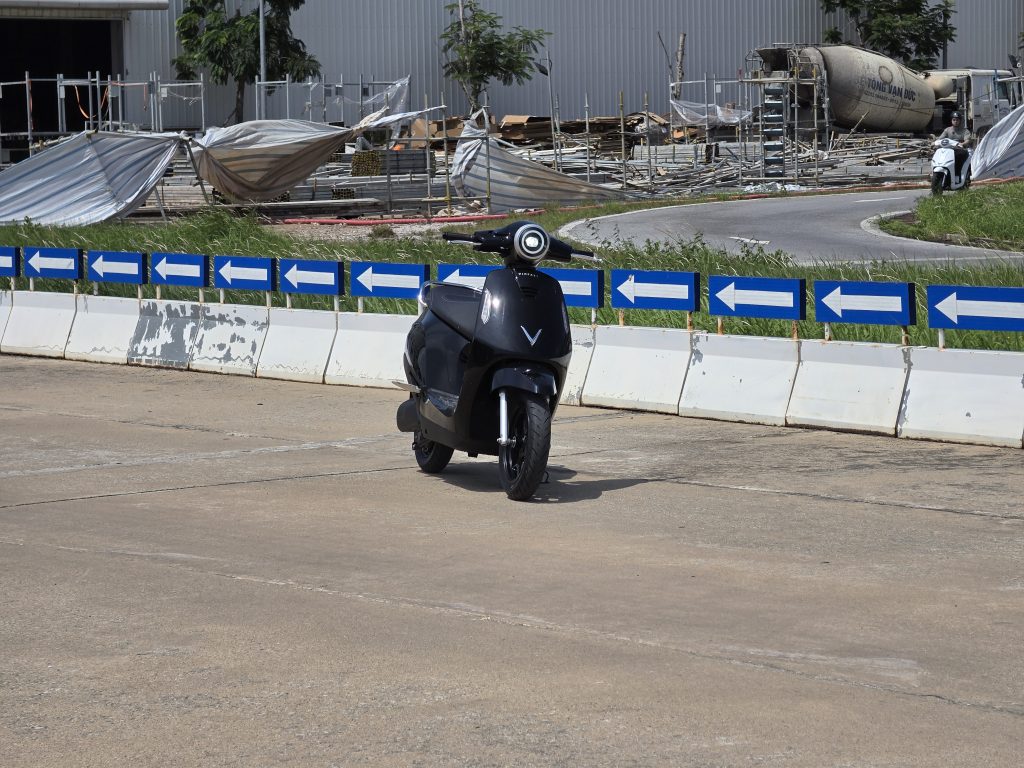
The Evo is the easiest model in the lineup to approach. It has a compact body, rounded styling, and a light city-scooter feel that should appeal to students, younger riders, and everyday commuters. On the move, it feels smooth and responsive enough for urban riding without becoming intimidating. It stayed balanced at low speeds and felt stable enough over rough surfaces and wet sections.
For reference, the Vietnamese-market Evo uses an in-hub motor with 1,500W nominal power and 2,450W maximum power. It gets a 1.5kWh LFP battery, supports battery swapping, and can run either a single- or dual-battery setup. Claimed top speed is 64 km/h, while quoted range is 85 km on one battery and up to 150 km with two batteries.
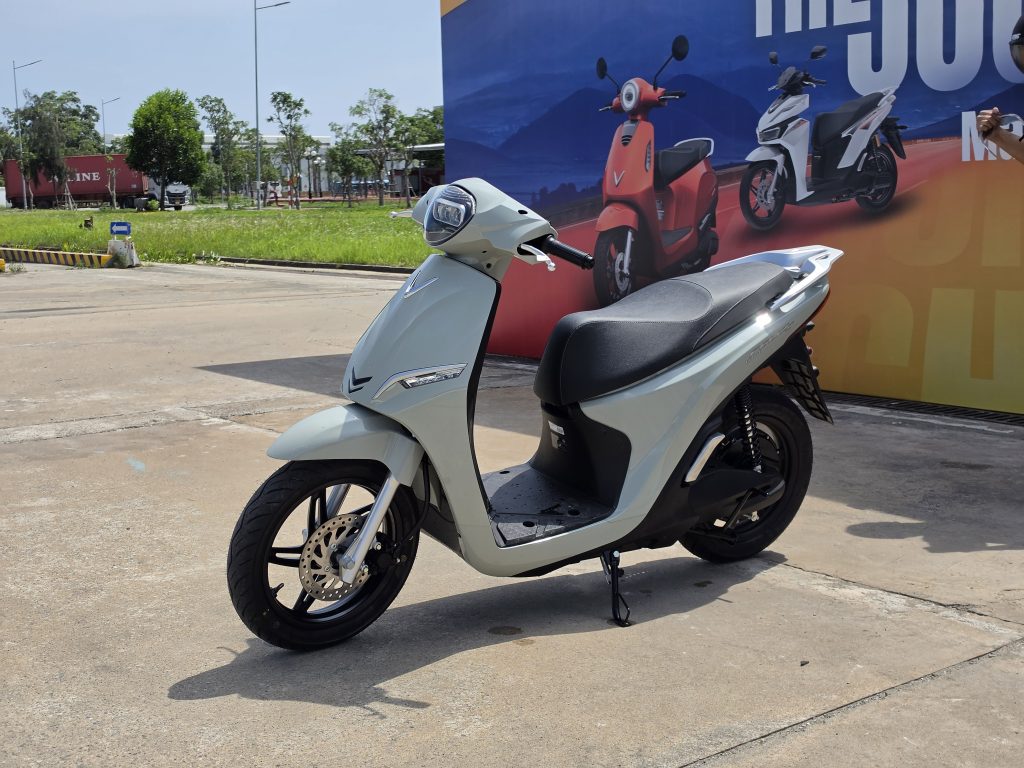
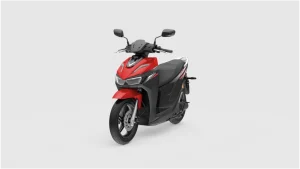
The Feliz II feels like the more mature commuter of the three. It is slightly larger, more planted, and more comfortable over uneven pavement. On the test route, it handled inclines well and stayed composed through wide curves. It should fit office workers and practical commuters who want a scooter that feels a bit more solid for daily use.
In the Vietnamese market, the Feliz II uses an in-hub motor rated at 1,800W nominal and 3,000W maximum power. It also uses a 1.5kWh LFP battery with single- or dual-battery options, plus battery swapping support. Claimed top speed is 64 km/h, while range is listed at 82 km on one battery and up to 145 km with two batteries.
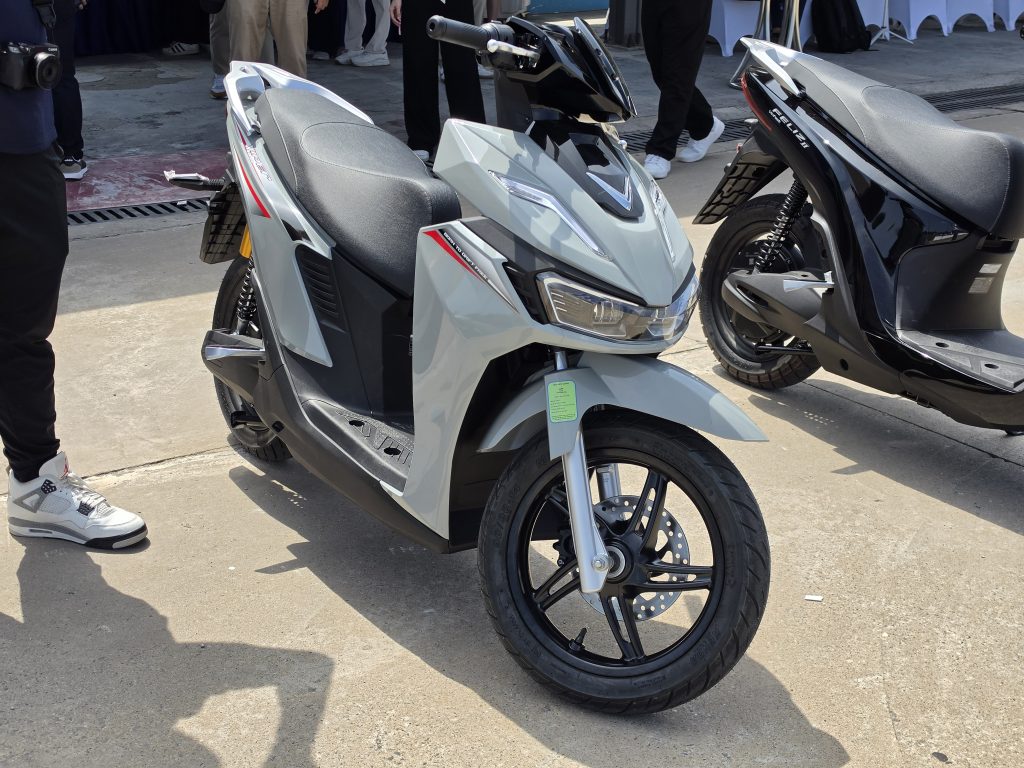
The Viper is the sportiest-looking model in the lineup. It has sharper body lines, a more aggressive front end, and a stronger visual presence. It also felt the quickest in short acceleration runs, showing the fast response that electric scooters naturally deliver. Even so, it remained easy to control at low speeds and did not feel difficult to manage.
For the Vietnamese market, the Viper uses an in-hub motor with 1,800W nominal power and 3,000W maximum power. It uses the same 1.5kWh LFP battery format, supports swapping, and can be configured with one or two battery packs. Claimed top speed is 64 km/h, with range listed at 82 km on one battery and up to 145 km with two batteries.
Beyond the scooters themselves, the bigger question is whether VinFast can make the full ecosystem work in the Philippines. Filipino consumers are still cautious about fully electric vehicles because most are used to gasoline motorcycles and cars. People know how much fuel costs, where to refuel, and how far they can go on a full tank. Electric scooters are still unfamiliar to many buyers.
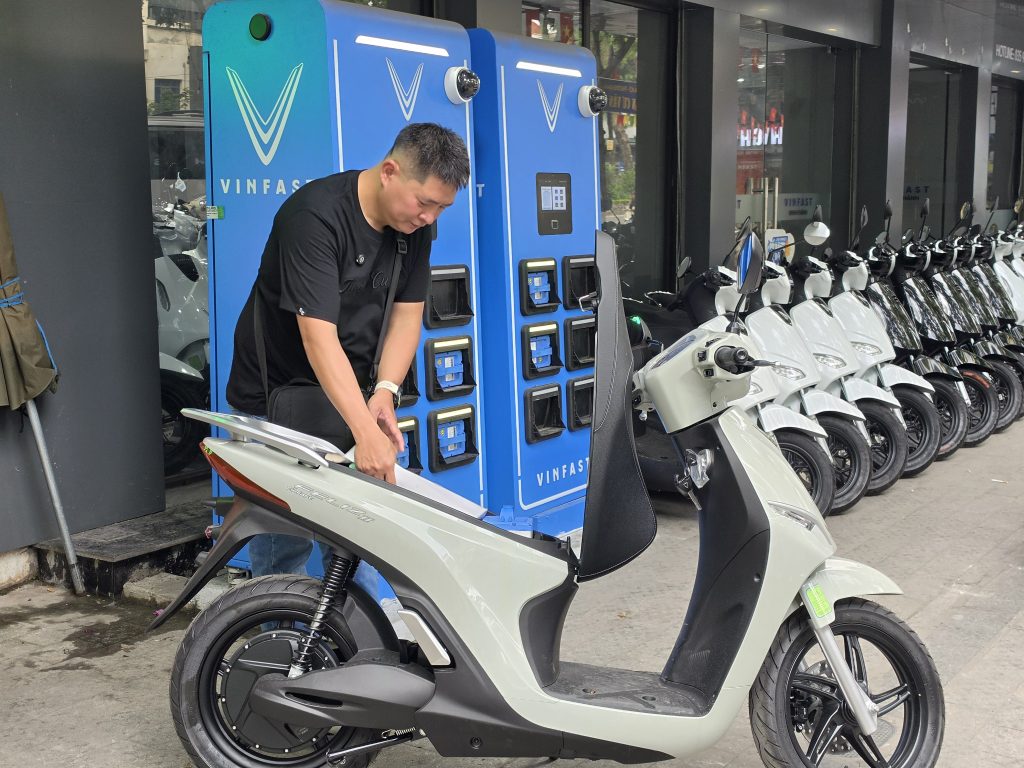
This is where VinFast may be able to continue what Gogoro started in the Philippines. Gogoro introduced battery swapping locally, but its push eventually slowed down and faded, leaving the market without a long-term follow-through. That also made some buyers more hesitant about trying another electric scooter brand.
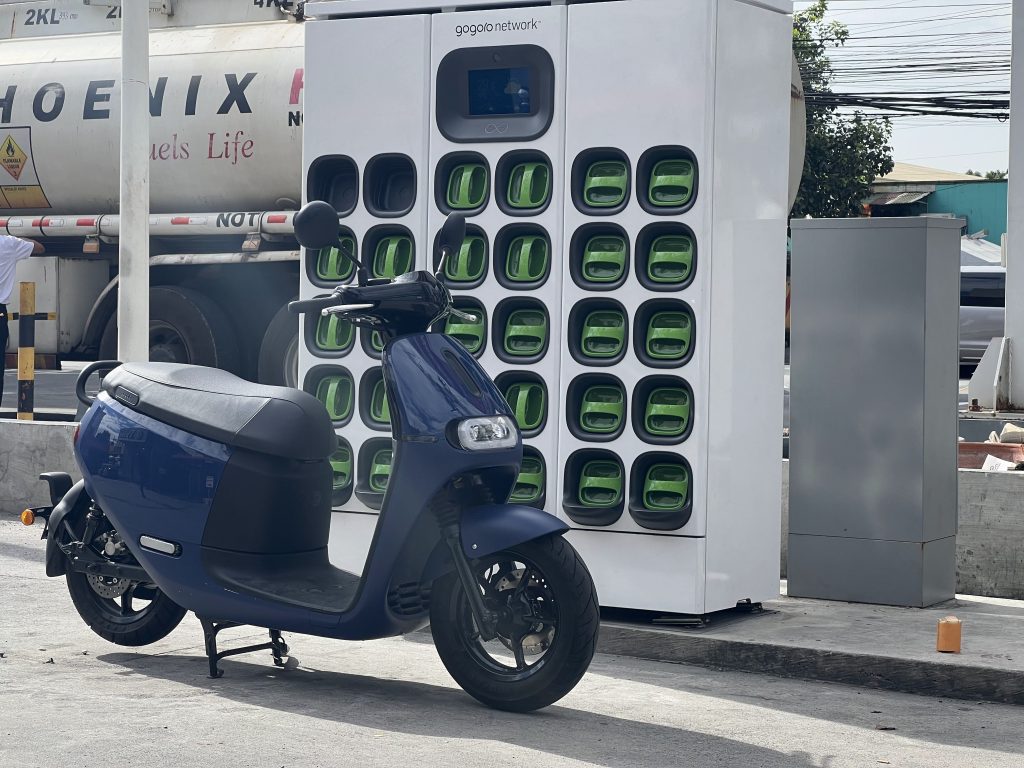
VinFast now has a chance to build on that early idea, but it has to get several things right. The scooters need competitive pricing. The battery-swapping and charging network needs to be reliable and easy to access. Most of all, the ownership experience has to feel simple enough for daily commuting.
That may be the key. Filipino buyers may still be hesitant about going fully electric, but rising fuel prices and daily transport costs also make it easier to consider alternatives that can save money over time. If VinFast can show that its scooters are affordable to buy, cheaper to run, and easy to live with, then the Evo, Feliz II, and Viper could become a practical option for riders who are ready to try something new.
For now, VinFast Philippines has yet to announce final local prices and exact specs. Those details will matter a lot. But based on this first ride in Vietnam, the company’s e-scooters already feel familiar enough that the switch from gasoline to electric may not be as big a leap as many riders think.
Basic Vietnamese-market specs (subject to change for PH)
VinFast Evo (Vietnam)
- Motor: In-hub, 1,500W nominal, 2,450W max
- Battery: 1.5kWh LFP, single or dual-battery setup
- Charging: 400W charger, about 4.5 hours from low to full
- Claimed top speed: 64 km/h
- Claimed range: 85 km (1 battery), up to 150 km (2 batteries)
- Battery swap: Supported
VinFast Feliz II (Vietnam)
- Motor: In-hub, 1,800W nominal, 3,000W max
- Battery: 1.5kWh LFP, single or dual-battery setup
- Charging: 400W charger, about 4.5 hours from low to full
- Claimed top speed: 64 km/h
- Claimed range: 82 km (1 battery), up to 145 km (2 batteries)
- Battery swap: Supported
VinFast Viper (Vietnam)
- Motor: In-hub, 1,800W nominal, 3,000W max
- Battery: 1.5kWh LFP, single or dual-battery setup
- Charging: 400W charger, about 4.5 hours from low to full
- Claimed top speed: 64 km/h
- Claimed range: 82 km (1 battery), up to 145 km (2 batteries)
- Battery swap: Supported




0 Comments
Leave a Reply