
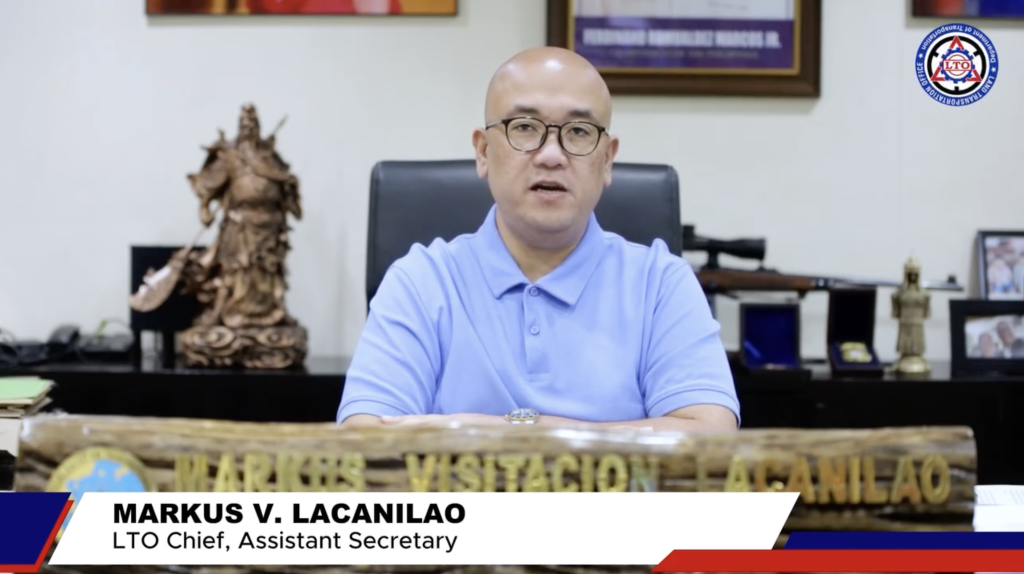
Today, January 2, 2026, the Land Transportation Office (LTO), together with the MMDA and local traffic units, begins strict enforcement of the ban on e-bikes and e-trikes along Metro Manila’s major roads, including EDSA, C5, Roxas Boulevard, and Quirino Avenue going to SLEX, all in the name of “road safety.” For thousands of commuters and families who depend on these light electric vehicles (LEVs) for daily mobility, the question is simple: Is this really about safety, or is it just another burden on the ordinary citizen?
On paper, the logic sounds reasonable: fast lanes for fast vehicles, slow vehicles kept off high-speed highways to avoid fatal crashes with buses and trucks. In reality, though, the rollout feels hilaw. The government is world-class at announcing bans and penalties, but pagdating sa pagbigay ng malinaw, mabilis, at practical na proseso para makasunod ang tao, sablay pa rin.
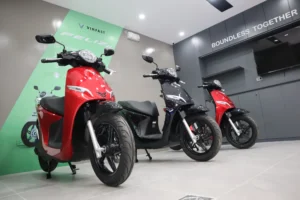
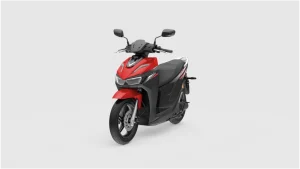
Here’s a personal example. I own two Gogoro scooters. One is properly registered and good to go. The other has been stuck in limbo for months because the dealer closed down, and when I went to LTO to ask how to register it myself, the staff literally did not know the steps for an electric motorcycle like this. The official requirements are simple on paper: sales invoice, insurance, DOE certificate or recognition, inspection, plus around P500 to P2,000 in fees, but if frontliners cannot guide you through the process, how is a regular rider supposed to comply? Before banning us from the road, the government should have fixed the registration and classification system, especially for e-motorcycles that are fully capable of running with regular traffic.
This brings up a painful question: Must ordinary citizens always suffer because the system is not ready? It is easy to sign and enforce a ban when you are sitting comfortably inside a tinted, air-conditioned, maybe even bulletproof SUV, insulated from traffic, rising fares, and inconsistent public transport. Many officials and policymakers have drivers, fuel allowances, and parking slots; they likely have never had to count coins just to afford a tricycle ride to bring a child to school. For millions of Filipinos, an e-bike is not a toy or a luxury; it is a lifeline, often the only affordable way to get to work, deliver goods, or shuttle kids without burning the monthly budget on commuting costs.
For a parent, an e-bike can mean the difference between spending hundreds of pesos a day on multiple tricycle and jeepney rides, or using a single charge to cover the whole week’s trips. Now, on the very day that enforcement kicks in, many riders are waking up to the reality that their only practical vehicle is suddenly banned from all the main roads they need to cross, while the government still has not provided dedicated LEV lanes, reliable public transport alternatives, or an efficient registration path for road-legal electric motorcycles. It starts to feel less like “safety” and more like punishing those who tried to be practical and environment-friendly.
Still, whether the rollout feels fair or not, the crackdown is here, and the consequences are serious. Starting today, violators caught on major roads face a P2,500 fine plus towing and impounding of their unit, on top of possible penalties for unregistered vehicles or no driver’s license where applicable. To avoid getting flagged, riders need to know exactly where their e-bike or e-scooter falls in the LTO classification and which roads they are allowed to use under the new rules.
E-bike Quick Category Guide
| Category | Specs (Speed/Power) | Allowed on Major Roads? | Requirements |
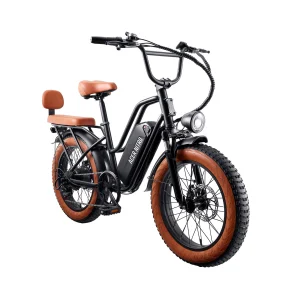
| L1a (Basic E-Bike) | Typically ≤25 kph, low power | No. Barangay roads/bike lanes only | Bike helmet. No license/registration. |
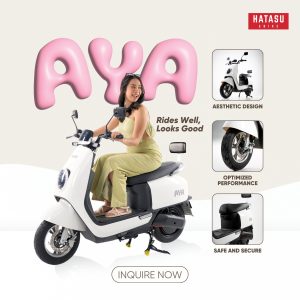
| L1b (Light Scooter) | Around 26–50 kph, higher power | No. Secondary/local roads only | Moto helmet, driver’s license, registered. |
| L3 (E-Motorcycle) | >50 kph, motorcycle-like | Yes, including major roads | Moto helmet, DL, full registration. |
| L4/L5 (E-Trike) | 3-wheeled passenger/cargo units | No on major roads. LGU routes only | Moto helmet, professional DL, franchise/LGU permit. |
| Kick Scooter | Very slow, often ≤12.5 kph | No on major roads; no carriageways | Sidewalks or designated micro-mobility zones where allowed. |
Private low-speed units like many L1a e-bikes remain exempt from registration, but they are strictly banned from highways and major national roads, and expected to stick to barangay streets and bike lanes where LGUs allow it. Higher-performance units in L1b and L3 that can keep up with traffic must be properly registered and driven with the correct license class and helmet, or they risk fines and impound even on secondary roads.
Note for riders planning to regularize their status: registration for road-legal LEVs and e-motorcycles generally requires a sales invoice, valid insurance, and a DOE certificate or recognition for the electric drive system, plus passing an LTO inspection. In practice, this is where many owners get stuck, especially when dealers close shop or frontliners are unfamiliar with LEV categories, creating a disconnect between what the law expects and what the system can realistically process.
In the end, safety is non-negotiable; no one wants to see an underpowered e-bike sandwiched between trucks on EDSA. But “safety” should not become a shortcut term for rushed planning, patchy implementation, and policies that hit the poorest and most practical riders first while those in SUVs glide past untouched. If authorities want genuine respect for the law, they need to deliver a system that works—from clear, working registration channels for capable e-motorcycles, to proper LEV lanes and safe routes—before they shut people out of the very roads they depend on.
The grace period is over. Today, check your routes, know your category, verify your registration status, and always wear your helmet. What do you think—does this ban strike you as fair and necessary, or is it time for our officials to step out of their Land Cruisers and experience the real commute before they regulate it?


Sir question po, meron akong xiaomi na scooter kung saan nakatayo ka lang habang nabyahe. Sa mckinley po work ko pwede ko po ba sya idaan sa bike lane sa C5 since meron pong bike lang para lang makatawid sa kabila pa mckinley?
Basta tatawid lang ng major highway pwede sir