A new Motorcycle Driver Licensing Reform is being pushed by road safety advocates and law enforcement agencies in the Philippines, calling for mandatory training for both aspiring and current motorcycle riders.
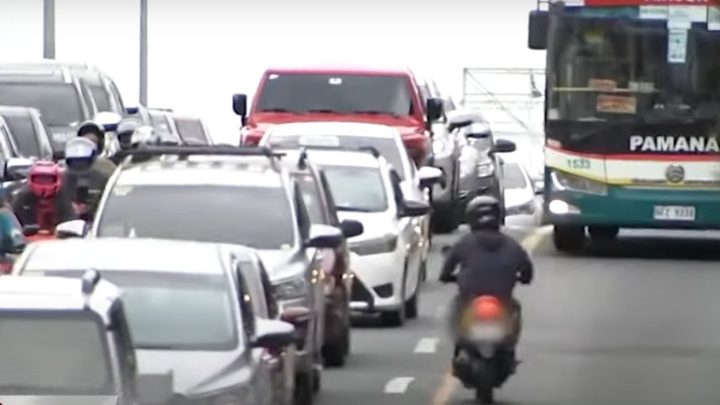
The initiative follows alarming data from the Philippine National Police–Highway Patrol Group (PNP-HPG), which recorded 24,495 vehicular crashes in 2023, rising to 31,258 in 2024 — a 27.6 percent increase. Motorcycle-related incidents now account for a growing share of road accidents nationwide, with reckless behavior cited as the leading cause.



Ride-hailing motorcycles have also contributed to accident tallies. In 2025, Moveit accounted for 476 crashes or 35.2 percent of reported incidents, followed by Joyride with 240, Angkas with 51, Lalamove with 64, and Grab with 40. Still, industry experts stress that poor training is the root cause of many accidents, particularly those involving new or inexperienced riders.
Under the proposed reform, all applicants for motorcycle licenses would be required to undergo certified, skills-based training covering defensive riding, hazard awareness, and road courtesy. For professional riders, especially those working under delivery or ride-hailing services, periodic revalidation of skills would also be mandated.
“Training is not just a best practice — it’s a necessity,” said Dr. Paul Chua, a mobility advocate and road safety expert. “We are seeing far too many avoidable accidents involving riders who were never properly trained to begin with. This bill addresses the root of the problem: lack of preparedness on the road.”
Advocates point to Angkas as an example of effective training. The motorcycle taxi company requires all drivers to complete a rigorous certification program before being hired, achieving a safety rate of 99.997 percent, verified through third-party audits.
“The success of Angkas is proof that mandatory training works,” Chua added. “If a private company can achieve this level of safety, the government can — and should — implement it nationally.”
The reform proposal also includes road-sharing education for four-wheeled vehicle drivers, to foster mutual respect and awareness between motorists and motorcyclists.
Supporters are urging lawmakers to fast-track the program, stressing that every delay in implementation risks more lives. “We owe it to every commuter, rider, and family to ensure our roads are safe — and that starts with education and training,” Chua said.